National Park Guide
Guadalupe Mountains National Park
Desert mountains, canyon trails and the highest point in Texas rise above the Chihuahuan landscape.
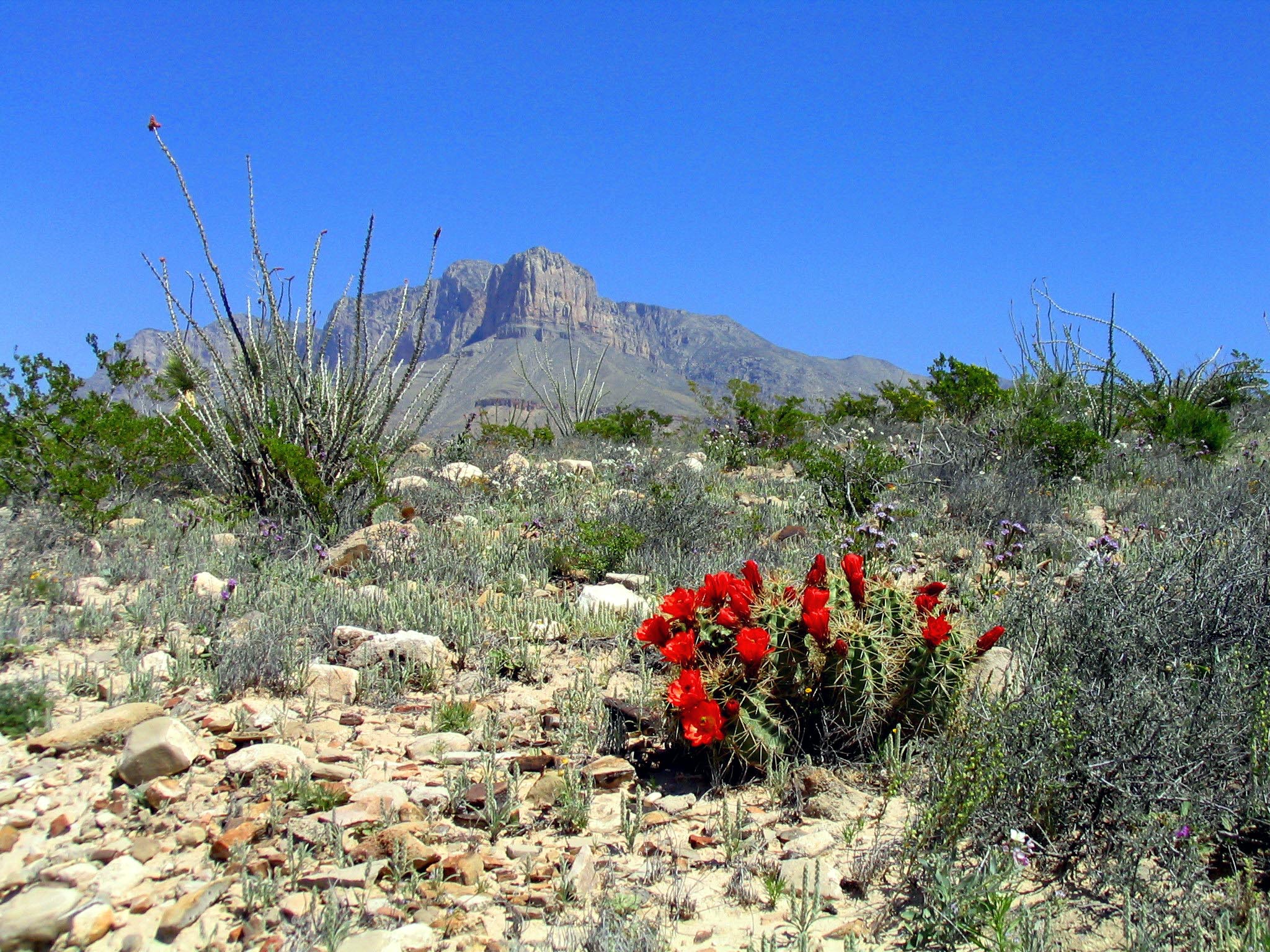
Must See
6 specific places
Guadalupe Peak
A demanding climb to the highest point in Texas, exposed to sun and wind.
McKittrick Canyon
A canyon hike known for fall color, springs and layered geology.
Devil’s Hall
A rocky wash hike to a natural staircase and narrow walls.
Salt Basin Dunes
White gypsum dunes on the park’s west side beneath the Guadalupe Mountains.
Smith Spring Trail
A loop from Frijole Ranch to a spring-fed desert oasis.
Frijole Ranch History Museum
A historic ranch site interpreting springs, settlement and ranching.
Suggested Route
A practical visit order
Base the trip around Carlsbad / Whites City and use 1–2 days as the starting point. Anchor the first part of the trip around Guadalupe Peak, connecting it with McKittrick Canyon and Devil’s Hall; use Salt Basin Dunes, Smith Spring Trail and Frijole Ranch History Museum as the second block based on weather, energy and current access. Keep only one reservation, long hike or fixed boat departure as the major commitment each day.
Why Go
What to see here
Desert mountains, canyon trails and the highest point in Texas rise above the Chihuahuan landscape.
Build the first visit around the six places above instead of forcing every entrance and side road into one day. Complete the item most affected by weather, reservations or transportation first, then add short trails, overlooks or a sunset window.
Plan the Trip
A practical first-visit structure
Choose the base and entrance first
Use Carlsbad / Whites City as the base and 1–2 days as the starting point. Lodging location should determine each day’s entrance and reduce cross-park driving.
Keep one major commitment per day
A long hike, boat trip, cave tour, wildlife morning or popular sunset counts as the day’s anchor. Fill the remaining time with short trails and overlooks.
Protect a weather and access buffer
Mountain, desert, island and northern parks are highly condition-dependent. Keep a short backup route and do not make the last shuttle or only open road the single point of failure.
Timing
Season and trip rhythm
Start with March–May and October–November and use 1–2 days as a realistic first-trip baseline. In peak season, confirm lodging, entry reservations, shuttles, ferries and tours first. In quieter months, check snow, closures, flood risk, heat and visitor-center hours.
Before You Go
Pre-trip checklist
- Read the current NPS alerts for roads, trails, fire, weather and temporary closures.
- Confirm timed entry, parking, shuttles, ferries, cave tours and hiking permits where applicable.
- Download offline maps and save the entrance, lodging, fuel and last reliable supply stop.
- Pack for elevation, temperature swings and exposure, including water, sun protection, layers and a headlamp.
- Schedule sunrise, sunset and wildlife windows first instead of treating them as optional extras.